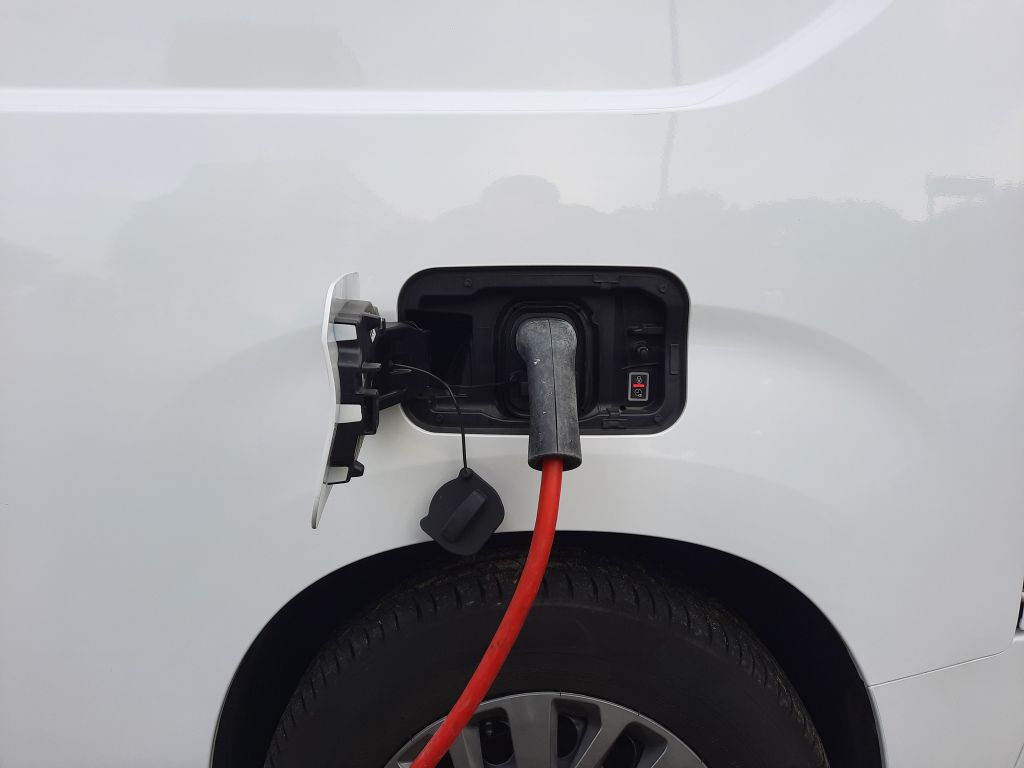
The International Energy Agency (IEA) released its 2026 Global EV Outlook, giving insight into the state of the electric vehicle market and manufacturing worldwide.
The IEA report a 50% increase in global sales of electric vehicles, with 60% of global EV sales coming from Chinese automakers. Comparatively, North American automakers make up 15% of global electric vehicle sales.
Electric vehicle sales are predicted to continue to grow in 2026, with a projected increase from 20 million EVs sold in 2025 to 23 million EVs this year.
It’s possible some of the increase in sales in certain regions may be attributed to government incentives, as the international community deals with the War in Iran and its repercussions. Though, final conclusions on the war’s impact of oil security on the EV market won’t be seen for years.
The war did prompt some government action: in Europe, government-placed incentives were enacted to combat the effect of the war on energy access.
As reported by CNBC, Stephen Dyer of Alix Partners said “U.S. companies have stepped back from a lot of their electric vehicle campaigns, because they haven’t been able to develop, in an inexpensive way, a compelling value proposition for U.S. consumers.” Many US made electric vehicles rely on Chinese manufactured parts, which bring more savings than the use of their American-made counterparts.
What Could This Mean for Chinese Electric Vehicles in the US
Despite the economic variables and consumer tastes, automotive experts still believe that electric vehicles are the future of the industry. Globally, China remains the largest electric vehicle manufacturer, with 75% of the world’s EVs being manufactured in China (over 25 million vehicles). China has also increased exports of their electric vehicles overseas.
The Trump administration has positioned themselves as protectors of American corporate interests and industry, and Trump has previously expressed openness to Chinese EV manufacturing in the US.
Thought it seems that the American consumer has not been completely sold on electric vehicles, with 2025 sales stagnating; in part due to shifting policy leading to a dip in sales in early 2026 compared to the previous year.
Still, electric vehicles could bring a sense of energy stability in the face of global conflict: EVs replaced 1.5 million barrels of oil per day in 2025.
The US auto industry has long managed a win in keeping Chinese vehicles off of American streets. There is still a near 100% tariff on Chinese made electric cars, and US senators are looking to pass legislation to ban Chinese made vehicles in the States.
It’s unclear how long the government and automotive lobbies will be able to keep China out, as the US consumer shows keen interest in owning Chinese manufactured vehicles: a survey by Cox Auto reports 40% are in support of Chinese cars entering the US market, and 51% believe they would be competitively priced.
And with Mexico and Canada expanding trade with China, it is not out of the question for an American buyer to traverse borders to get what they want. Chinese vehicles could land on US streets in face of regulatory setbacks.
American industry may not be able to stave off change forever. Between global conflicts, the climate crisis, and consumer interest; adaptation to sustainable energy alternatives will be something to contend with.
It will just be a matter of how soon.


Leave a Reply