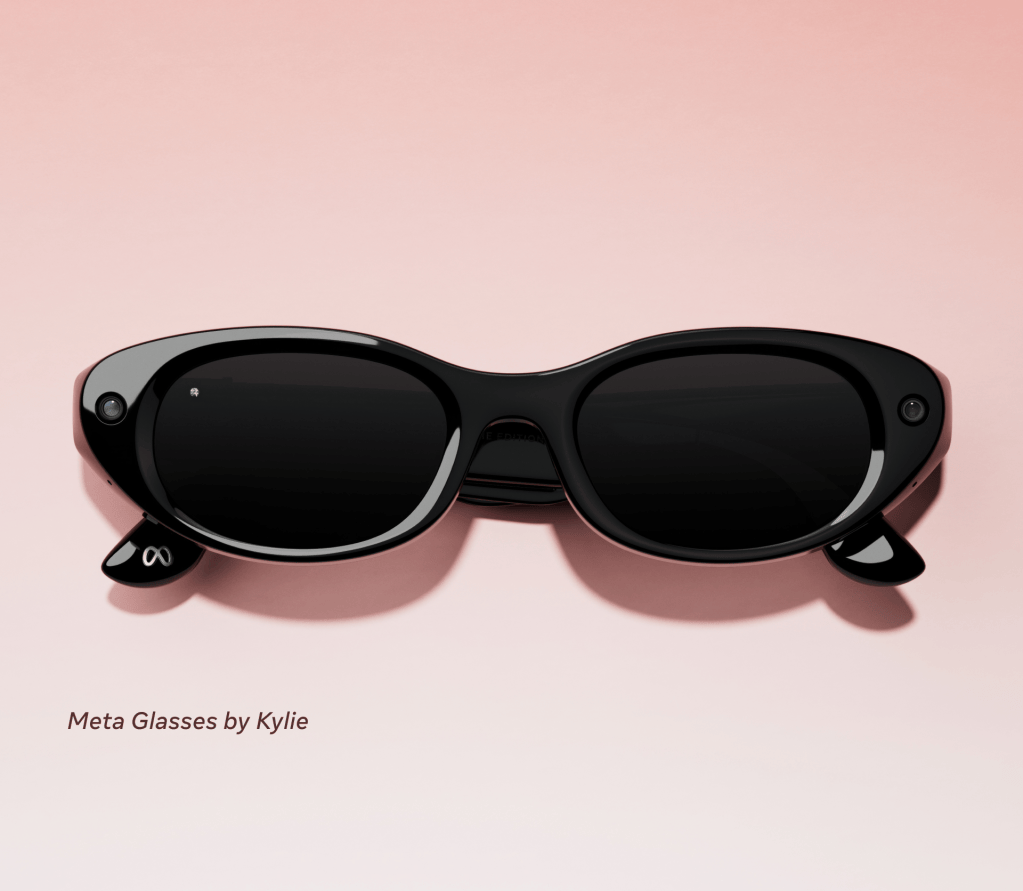
Last month, Meta announced its launch of their AI-embedded glasses as part of a partnership with EssilorLuxottica. Meta’s blog heralds their newest product as “an all-day AI-assistant” that can “help manage your daily life effortlessly.”
The company boasts three frame styles to fit in seamlessly with a user’s wardrobe, including a frame styled by influencer Kylie Jenner. The internet starlet appears in a new ad campaign for the brand, pushing Meta Glasses as a chic fit for anyone concerned with the cool factor of the frames.
Though, it seems that Meta has a problem – a growing number of internet users are referring to and creating content in critique of what they call “pervert glasses.”
Meta’s page on privacy settings for their AI-glasses cites device settings and design aimed at respecting the safety and privacy of users and others. These include an LED light that turns on when recording video or taking photos, driver detection that goes into audio-only mode, and other customizable settings to control data shared.
The page also encourages more sensible means of managing privacy concerns; like turning off glasses in doctor’s offices, clearly stating when recording, and to stop or adjust recording when others do not consent to being on camera.
Not Enough
Privacy concerns remain despite Meta’s attempts at reassurance.
In June, Wired reported that face-recognition was secretly embedded into the code of the smart glasses. And earlier this year there were reports that some influencers had been recording women without their consent and posting the videos online.
Recently, Comic-Con in the United Kingdom banned the glasses due to concerns over possible recordings without the knowledge or consent of others.
Meanwhile, the discussion of “pervert glasses” increased on the Meta-owned platform Instagram, with some detractors even stating that their critical posts were being “shadowbanned” by Instagram, decreasing their reach.
There’s Still Hope
It appears the appeal of the convenience and ease of Meta Glasses have overpowered the privacy concerns and online insults. Despite ongoing plights against the invasions of privacy the glasses present, Gizmodo reports that earnings from the glasses have doubled in comparison to the same period last year.
For now, consumers are left to decide if they believe that the possibility of infringing on privacy is worth taking a quick pic.
 Alexis Taylor | Writer
Leave a comment